Rendering
Realistic & Abstract Renderings
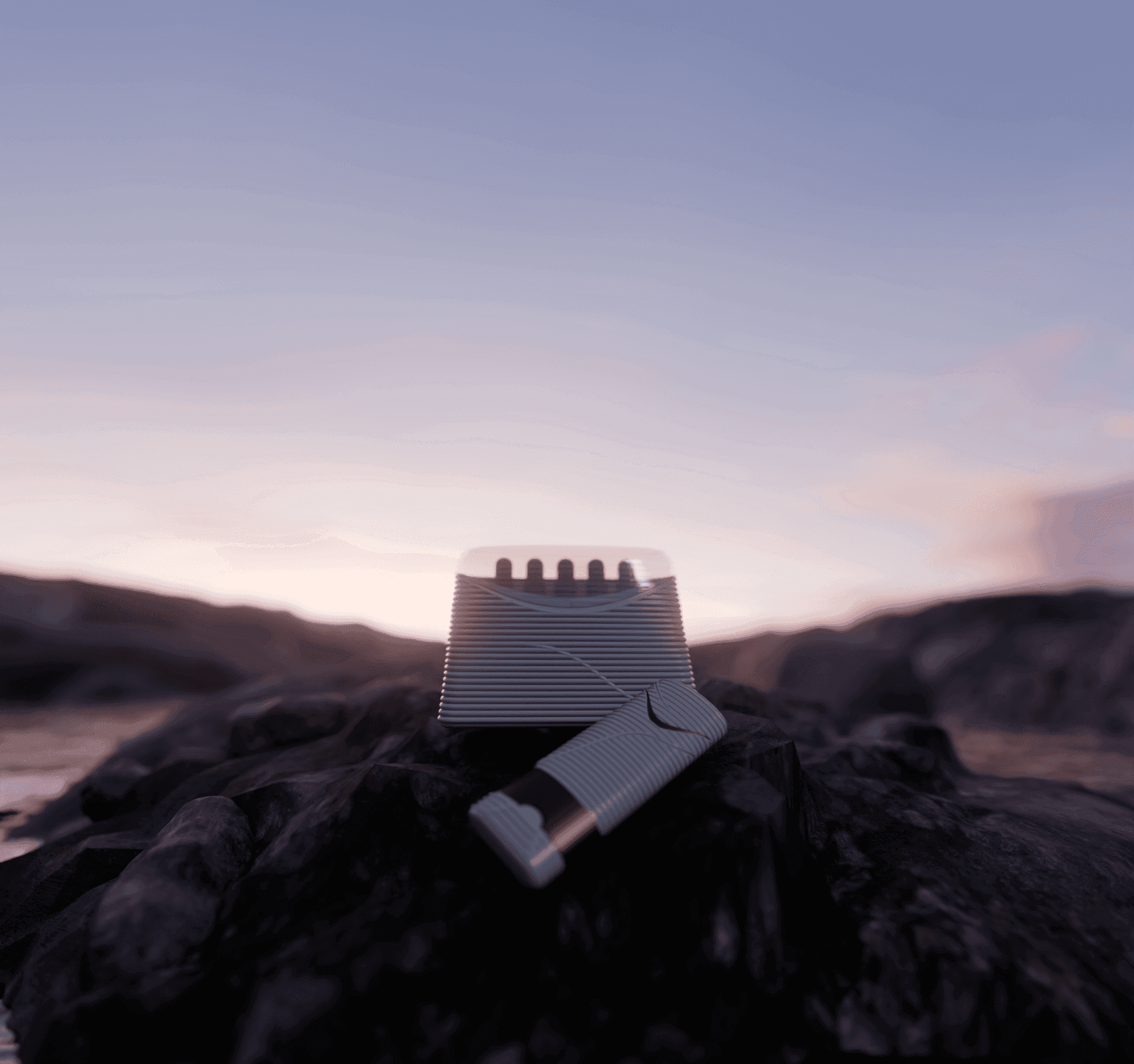
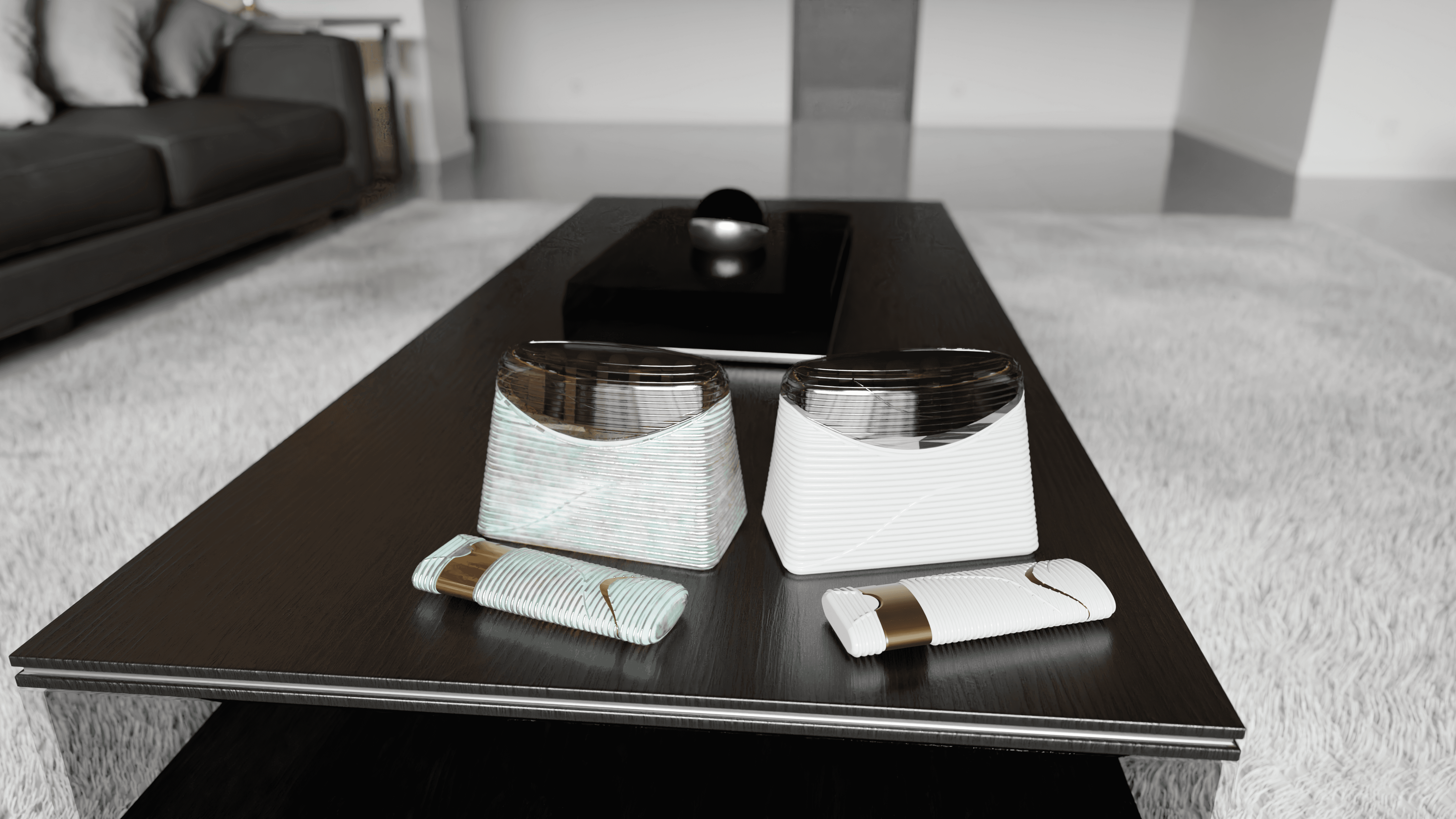
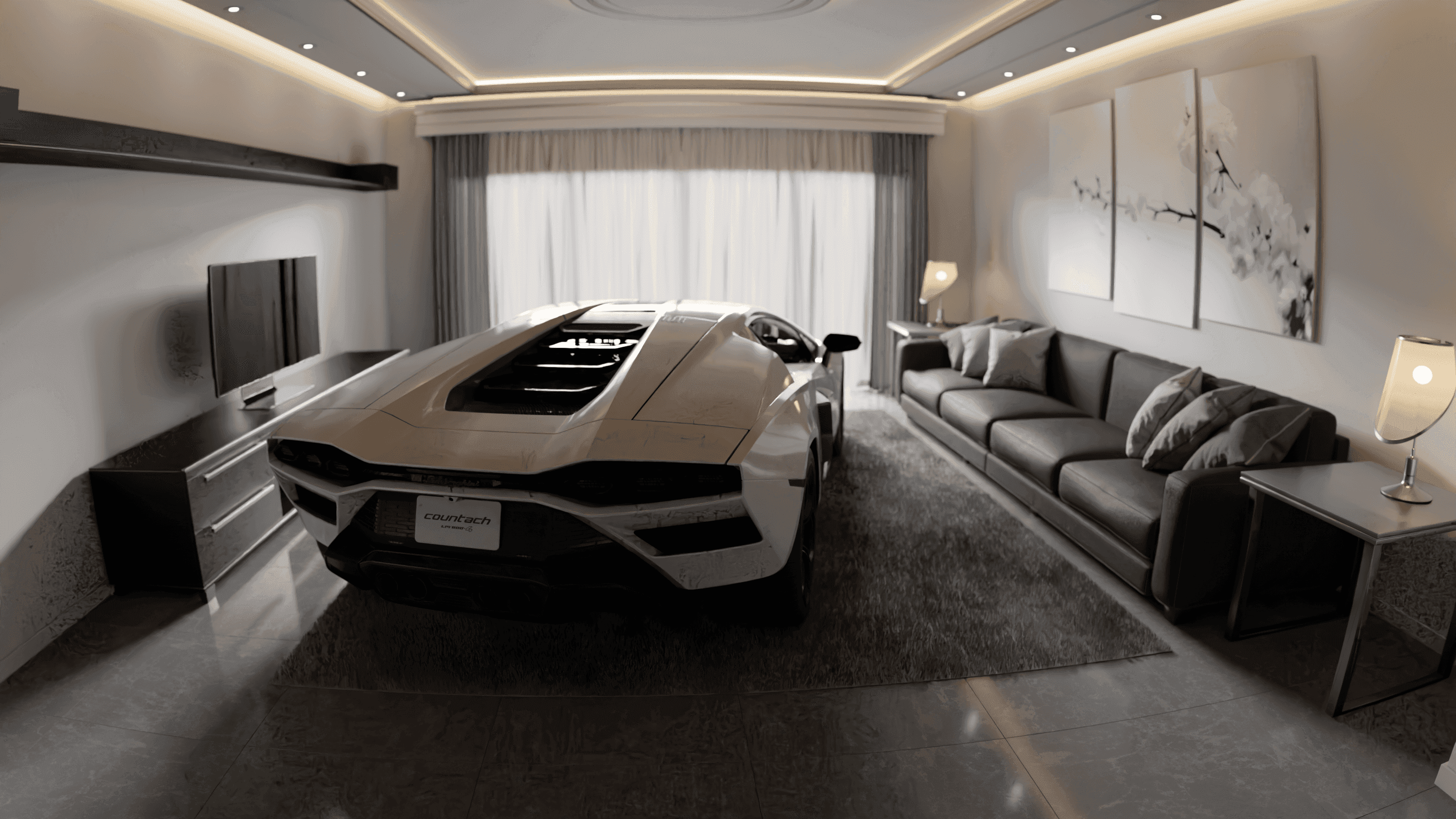
Realistic or unrealistic — it doesn't matter. I create and render all kinds of product visualizations.
Problem
In design processes, communicating an idea often relies on sketches and technical drawings. Yet these tools rarely capture the full emotional and spatial impact of a product. Without a realistic vision, it becomes difficult for clients, teams, or even designers themselves to anticipate how a concept will truly live in the world.
Solution
Rendering bridges this gap. Through both abstract and photorealistic visualizations, it transforms raw ideas into tangible experiences. Abstract renders highlight form, texture, and atmosphere, while realistic ones simulate materials, lighting, and context — bringing the concept as close as possible to its final presence.
Challenge
The challenge is not only technical but also interpretative: knowing when to emphasize mood over accuracy, or precision over artistic expression. Each render becomes a decision about what matters most — whether to inspire, to explain, or to convince.
Summary
Renderings are more than images; they are design tools. They accelerate communication, reduce misunderstandings, and allow faster, more confident decisions. By moving fluidly between abstraction and realism, they make the invisible visible and bring ideas into focus long before production begins.
Gallery

More projects
CORCA
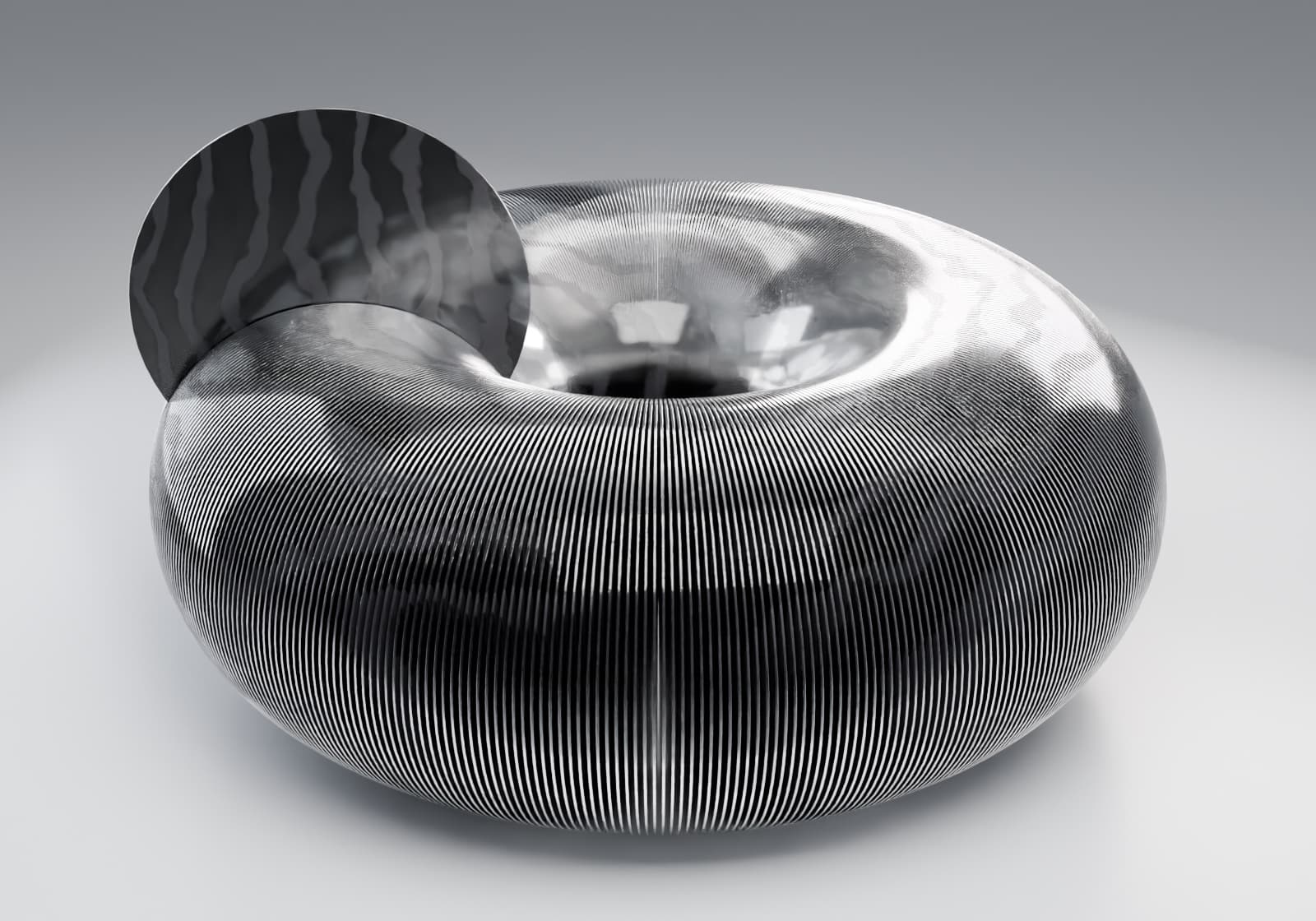
A parametric pattern study on ceramic — a torus scaled to the Earth's diameter, cut into pieces where no two are ever alike.
View project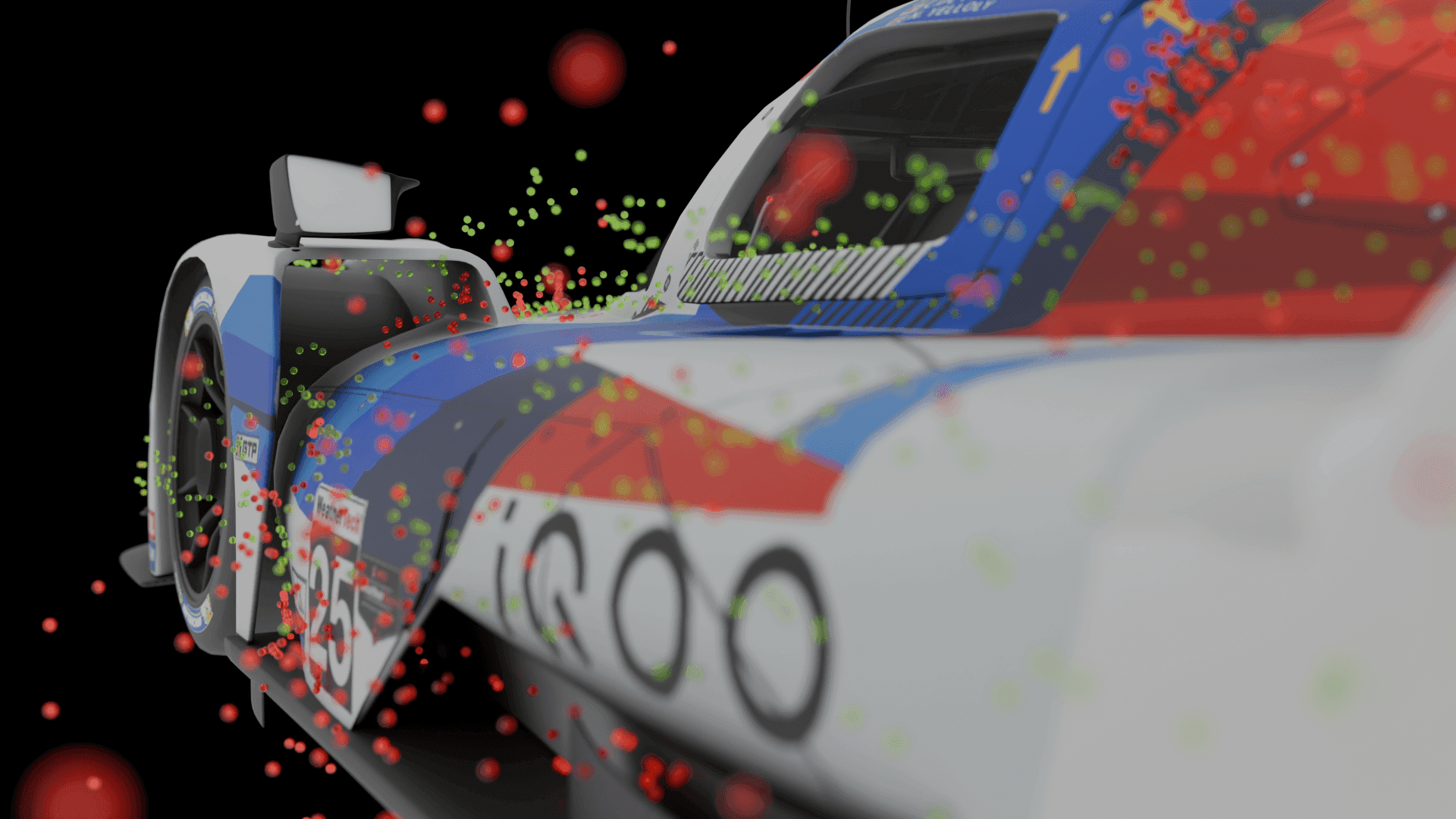
Aerodynamics
Aerodynamic rendering and fast approximations powered by AI-assisted workflows.
View projectParametric Water Tank Configurator
A B2B configure-price-quote suite for modular water tanks — 3D configuration, automated engineering calculation and instant Excel bill of materials.
View project